




VW Certified Service Center Albuquerque NM: Common Repairs & Prevention
Modern Volkswagens are precision machines. When everything is running right, they offer a driving experience that is hard to match in their price class: smooth highway cruising, sharp handling, and solid fuel efficiency. But because German engineering relies on tight tolerances and complex systems, it is best to find a certified VW repair center to do repairs rather than relying on generic repair shops.
Catching warning signs early is the difference between a quick $150 component fix and a $3,000 engine overhaul. Here is a realistic look at the most common issues that pop up on modern VWs, how to spot them from the driver’s seat, and what to do before a minor hiccup turns into a major breakdown.
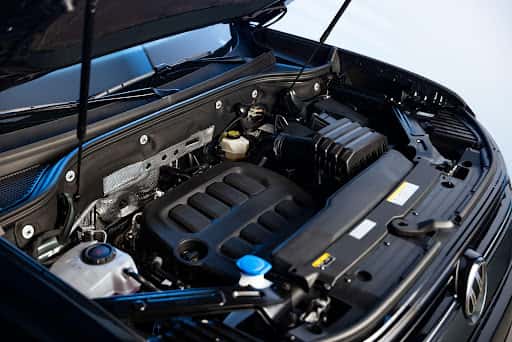
What to Look For: Early Signs of Common VW Repairs
You do not need to be a certified mechanic to spot when your Volkswagen is starting to misbehave. Most common repairs give off clear signals weeks or even months, before a part fails completely.
1. Carbon Buildup on Intake Valves (Direct Injection Engines)
Most modern VW engines (like the TSI series found in the VW Jetta, VW Tiguan, and VW Golf) use direct fuel injection. Fuel gets sprayed straight into the combustion chamber rather than over the back of the intake valves. The upside is better fuel economy and power. The downside? Fuel never washes over those intake valves, so oil vapors bake onto them over time, this over time can create heavy carbon deposits.
- Early Signs: The car starts feeling a bit “lazy” when you step on the gas. You might notice a subtle shake or stutter when idling at a red light, especially when the engine is still cold in the morning.
- What Happens If You Ignore It: The engine stumbles, misfires regularly, and triggers a flashing check engine light. Severe buildup restricts airflow enough to noticeably kill your fuel mileage.
2. PCV Valve (Crankcase Ventilation) Failure
The Positive Crankcase Ventilation (PCV) valve controls internal engine pressure by venting oily gases back into the intake.
- Early Signs: A high-pitched whistling or squealing sound coming from under the hood that disappears when you pull out the engine oil dipstick. You might also notice a slightly erratic idle speed.
- What Happens If You Ignore It: A blown PCV valve alters engine pressure dramatically. Left unchecked, it forces engine oil past main crankshaft seals, turning a simple valve fix into a massive rear main seal leak repair.
3. Thermostat Housing and Water Pump Leaks
Many modern Volkswagen cooling systems use a composite plastic housing for the water pump and thermostat. Although not common, over thousands of heat cycles, the plastic housing can warp or develop hairline cracks, causing slow coolant loss.
- Early Signs: A faint, sweet smell outside the car after driving, or finding yourself adding a splash of pink G12/G13 coolant every few months. You may also notice small, pinkish crusty spots on engine shields under the car.
- What Happens If You Ignore It: Small weeping cracks eventually fail under pressure, leading to rapid coolant loss and severe engine overheating.
4. Direct-Shift Gearbox (DSG) Fluid Degradation
If your VW has a dual-clutch DSG transmission, it relies on specialized fluid to operate its internal hydraulic clutches and mechanical gear shifts. Unlike traditional automatic gearboxes, DSG units require fresh fluid and filter changes strictly every 40,000 miles.
- Early Signs: Hesitation or a jerky, clunky sensation when rolling away from a stop sign, or delayed engagements when shifting from Park into Reverse.
- What Happens If You Ignore It: Old, heat-degraded fluid causes the delicate internal hydraulic control unit (the Mechatronic unit) to overheat and fail, leading to transmission slippage or complete loss of drive.
Why You Need a VW Certified Service Center Albuquerque NM
When a dashboard warning light turns on or your engine starts idling rough, taking your car to a general repair shop can end up costing you extra time and money. Volkswagens use specialized diagnostic protocols (ODIS) that basic code scanners at generic parts stores cannot fully read.
A generic scan tool might tell you “cylinder 2 misfire,” but it will not reveal whether that misfire was triggered by carbon buildup, an ignition coil, a failing fuel injector, or a drop in fuel rail pressure.
Bringing your vehicle to a VW certified service center Albuquerque NM eliminates the costly trial-and-error guessing game.
Generic Repair Shop:
Standard Scanner -> Broad Error Code -> Replaces Parts Until Fixed -> Higher Costs
Certified Service Center:
Factory ODIS Diagnostic -> Precise Sub-Code -> Pinpoint Root Cause -> Correct Fix First Time
Factory-trained technicians work on these exact engines every single day. They know the subtle differences between a TSI and an FSI engine, understand factory recall updates, and use OEM (Original Equipment Manufacturer) parts built specifically for your vehicle’s exact VIN.
Simple Preventive Checks You Can Do at Home
You do not need special tools to keep tabs on your vehicle’s health. Taking five minutes once a month to check a few basic items saves you huge headaches down the road.
| Component | What to Check | What to Look For |
| Engine Oil | Pull dipstick on level ground | VW engines naturally consume small amounts of oil; keep it topped up to prevent timing chain wear. |
| Coolant Reservoir | Inspect clear plastic tank | Fluid level should sit between MIN and MAX marks when cold. Look for a bright pink or purple color. |
| Tires & Alignment | Examine tread wear pattern | Uneven tread wear on the inside edges signals alignment issues or worn suspension bushings. |
| Battery Terminals | Visual check under hood | Clean off white or blue corrosion powder on terminals to prevent sudden no-start issues. |
Schedule Maintenance at Your Local Volkswagen Dealership in Albuquerque
If you hear an unusual noise under the hood, feel a vibration through the steering wheel, or need to stay up to date on scheduled logbook maintenance, working with a reputable Volkswagen dealership in Albuquerque keeps your car driving like new.
For expert diagnostics and factory Volkswagen repairs, you can bring your vehicle directly to the dealership of Fiesta Volkswagen.
Fiesta Volkswagen
8201 Lomas Blvd, Albuquerque, NM 87110
The dealership facility is located right on Lomas Boulevard, their service department is staffed by certified VW technicians equipped with specialized tools, factory diagnostic software, and genuine OEM parts. Whether you need a standard oil service, a DSG transmission flush, or a detailed diagnostic run, booking an appointment at a VW certified service center Albuquerque NM protects your car’s performance and long-term resale value.
Frequently Asked Questions (FAQ)
How often should I get the oil changed in my Volkswagen?
Volkswagen recommends synthetic oil changes every 10,000 miles or 12 months, whichever comes first. However, if you do a lot of short trips around town or drive in severe summer heat, changing your oil every 5,000 to 7,500 miles helps protect turbochargers and engine timing components from premature wear.
Why is my check engine light flashing instead of staying solid?
A solid check engine light means the computer detected a non-emergency fault in the emissions or engine system. A flashing check engine light indicates an active engine misfire. If the light flashes, pull over safely and turn off the engine immediately.
What is the difference between a generic repair shop and a VW certified service center?
A certified service center uses factory-trained technicians, OEM parts engineered for your exact car, and VW’s proprietary ODIS diagnostic software. They are able to do all VW recalls and repairs with direct experience with VW vehicles. General repair shops often rely on universal parts and basic scan tools that cannot clear or accurately diagnose deep-level Volkswagen electronic control modules.
0 comment(s) so far on VW Certified Service Center Albuquerque NM: Common Repairs & Prevention