




The Critical Importance of a Volkswagen Oil Change in Albuquerque NM
Owning a vehicle is a rewarding experience, providing the freedom to explore everything from the bustling city roads to the quiet scenic trails of the high desert. Among all the routine maintenance tasks your car requires, none impact its daily operation quite as fundamentally as maintaining clean engine oil.
For drivers navigating the unique environmental conditions of the Southwest, understanding the “why” and “when” of fluid maintenance ensures your investment remains protected for years to come.
The distinct climate of New Mexico introduces specific stressors that your engine must fight against every day. Securing a timely Volkswagen oil change in Albuquerque NM is not just about checking a box on a maintenance schedule; it is an essential line of defense against our local environment. Our region features a unique trifecta of driving challenges: high altitudes, intense summer heat waves, and airborne dust or sand particles blown across the desert plains.
Motor oil as the lifeblood of your engine. Its main job is to keep metal from scraping against metal. Inside the engine, components like pistons, crankshafts, and camshafts move at thousands of revolutions per minute; without a slick, protective barrier between them, the resulting friction would create intense heat. Left unchecked, that heat causes the metal components to warp, wear down rapidly, or weld themselves together, completely destroying the engine.
But lubrication is only part of its benefit of having fresh motor oil. Fresh oil also acts as a crucial cooling agent, pulling heat away from the intense heat of the combustion chambers. At the same time, it works like a rolling cleaning crew. As it flows through the engine, the oil picks up microscopic soot, dirt, and carbon deposits, sweeping them into the oil filter before they can scratch or score the finely machined internal walls.
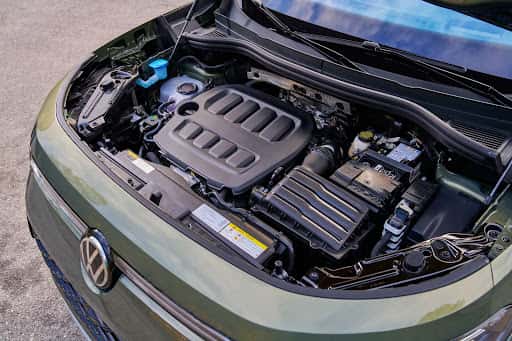
How Often Does Your Vehicle Require Fresh Oil?
A common point of confusion for many drivers is identifying the correct service interval for their specific vehicle. While older vehicles traditionally relied on a strict 3,000-mile routine, modern engineering has vastly extended those limitations. It is best to look at your specific maintenance schedule for your vehicle to see what the factory recommends. Using the factory recommendations as a guide and tailoring to your environment and usage is best practice.
Most newer model vehicles utilize advanced full synthetic motor oil formulations engineered to last up to 10,000 miles or 12 months under ideal driving conditions. However, local driving habits drastically influence this timeline. Automotive manufacturers categorize driving environments into “normal” and “severe” operating conditions, and the high-desert landscape frequently pushes vehicles into the severe category.
Frequent Short Trips (< 10 Miles) + High Summer Temperatures + Dusty Desert Roads = Severe Schedule
If your daily routine involves short commutes across town where the engine never quite reaches its optimal operating temperature, prolonged idling in stop-and-go commuter traffic, or frequent towing, you should consider a more proactive approach and servicing your vehicle more often at a lower mileage interval. Servicing your vehicle every 5,000 to 7,500 miles under these conditions prevents oil breakdown, ensuring the fluid retains its protective viscosity before thermal breakdown occurs.
The Hazards of Delaying Routine Fluid Maintenance
Skipping or delaying your oil service could trigger a chain reaction beneath the hood.
As the fluid degrades, it transforms into a thick, tar-like substance known as engine sludge.
Sludge cannot circulate efficiently through the narrow oil galleries of a highly advanced turbocharged engine. This restriction starves critical components of lubrication, directly accelerating component wear.
Old engine oil loses its ability to transfer heat effectively, causing your engine to run hotter, drop in fuel efficiency, and potentially fail emissions testing over time. In the long run, the financial cost of correcting engine damage far outweighs the minor investment of routine maintenance in the short run.
How to Perform a DIY Fluid Service at Home
For hands-on vehicle owners who enjoy turning a wrench, changing your own oil is a rewarding weekend project that can be easily done with the correct tools. The absolute key to a successful do-it-yourself service is utilizing correct, factory-approved materials to protect your warranty and engine longevity. You can easily source genuine filters, crush washers, and certified fluids directly from the parts department of your local VW dealership.
Before starting, gather the necessary tools: a socket wrench set, an oil filter wrench, a drain pan, a funnel, safety glasses, and jack stands or car ramps.
1.Prep and Safety:10 minutes.
Park your vehicle on a flat, level surface, engage the parking brake, and raise the front of the vehicle safely using car ramps or a hydraulic jack secured by heavy-duty jack stands. Pop the hood and remove the oil fill cap to help the fluid drain more smoothly.
2.Drain the Old Fluid:15 minutes.
Slide your drain pan beneath the oil pan drain plug. Carefully remove the plug using the correct size socket, taking care as the oil may be warm. Let the old fluid drain completely into the pan until it slows to a sporadic drip.
3.Replace the Plug and Filter:15 minutes.
Install a new crush washer onto your drain plug and torque it back into the oil pan according to factory specifications. Next, locate the oil filter housing. Remove the old filter, clean the mounting surface, lubricate the rubber O-ring of your new factory filter with a drop of fresh oil, and install it securely hand-tight.
4.Fill with Fresh Synthetic Oil:10 minutes.
Place your funnel into the oil fill neck on top of the engine. Pour in the exact volume and viscosity of factory-recommended synthetic oil specified in your owner’s manual. Replace the fill cap, start the engine for a minute to let pressure build, check underneath for any leaks, lower the car, and check the dipstick to confirm the level is perfect.
Why Professional Care Trumps Generic Service Centers
While performing a DIY project is rewarding, bringing your vehicle to an authorized service facility offers distinct advantages that independent corner shops simply cannot replicate. Certified VW technicians undergo specialized factory training, making them intimately familiar with the unique internal architecture, torque specifications, and diagnostic codes of your specific model. They are able to tell you any potential recalls, provide warranty work, and know the common issues and fixes for your specific vehicle.
When you receive a professional Volkswagen oil change in Albuquerque NM, you are not just getting a fluid swap. Factory technicians also execute a comprehensive multi-point inspection. The technician inspects brake pad thickness, tests battery health, evaluates suspension components, checks vital fluid levels, and scans onboard computers for pending software updates or recalls, catching minor issues before they evolve into costly mechanical breakdowns on the highway. This is a huge advantage compared to a generic mechanics shop.
Schedule Your Next Service Visit at Fiesta Volkswagen
Whether your dashboard maintenance light just turned on or you prefer to pick up genuine parts for your garage workbench, partnering with a dedicated dealership helps keep you on the road.
For unmatched service, authentic components, and professional customer care, visit the dealership of Fiesta Volkswagen, located at 8201 Lomas Blvd, Albuquerque, NM 87110. Our factory-trained team is fully equipped with advanced diagnostic tools, specialized facility equipment, and an expansive inventory of genuine components. Give your vehicle the care it deserves to keep it running smoothly across the beautiful landscapes of New Mexico.
Frequently Asked Questions (FAQ)
What happens if I use conventional oil instead of full synthetic?
Modern engines are explicitly engineered to run on high-performance synthetic oils meeting strict factory quality standards (such as VW 504 00 or 508 00). Using conventional oil can lead to rapid fluid breakdown, accelerated engine wear, harmful sludge accumulation, and potentially voids your factory powertrain warranty coverage.
Why is it necessary to replace the oil drain plug crush washer every time?
The crush washer is a single-use metal component designed to deform slightly when torqued down, creating a flawless, airtight seal against the oil pan. Reusing an old, already flattened washer increases the risk of a slow, continuous fluid leak beneath your vehicle over time.
How do I reset the oil change inspection light on my dashboard?
While the precise steps vary slightly by model year and trim level, you can typically reset the reminder display through your infotainment system screen under the “Vehicle Settings” or “Service” menu. Alternatively, our service technicians will automatically reset this system using factory diagnostic computers during your scheduled maintenance appointment.
0 comment(s) so far on The Critical Importance of a Volkswagen Oil Change in Albuquerque NM