




How to Identify VW Brake Wear Early: Albuquerque Service Guide
Braking in high-desert conditions isn’t like braking at sea level. If you routinely drive up in the Southwest through the mountains or push through stop-and-go commuter traffic along I-25 during a heavy Albuquerque downpour, your brake pads and rotors face constant thermal stress. Between drastic temperature changes, fine arroyo dust settling on friction surfaces, and long downhill grades, stopping hardware wears out faster in New Mexico than in milder climates.
It is important to know what causes brake wear, spot warning signs from behind the wheel, and stay ahead of service to prevent minor friction degradation from turning into expensive, dangerous mechanical repairs.
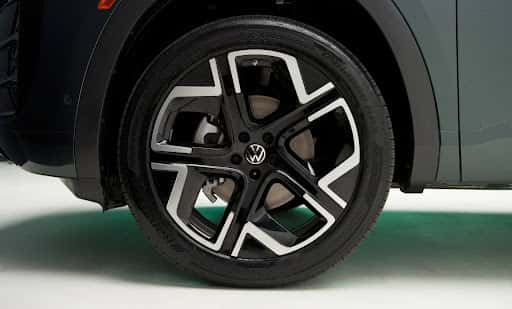
Warning Signs Your Volkswagen Vehicle Needs Brake Attention
Your car rarely loses stopping power without significant warnings. German automotive designs incorporate mechanical and digital wear indicators that signal when friction surfaces drop below safe thresholds.
High-Pitched Squealing or Harsh Metallic Grinding
A light, metallic chirp or squeal under light pedal pressure usually comes from the mechanical wear tab attached to your brake pad. It is engineered to contact the rotor face once friction material wears down to about 3 millimeters.
If you ignore that squeal and it turns into a heavy, raspy grinding sound, the pad lining is gone. Bare backing plates are digging straight into the iron rotors. That metal-on-metal friction gouges deep grooves into the rotor surface, turning a simple, routine pad swap into an expensive full-component replacement.
Pedal Pulsation and Steering Wheel Flutter
If the brake pedal pulse feels uneven under your foot or the steering wheel shudders while slowing down on Coors Boulevard, the rotors have likely developed uneven surface wear or thermal hot spots. This is a simple way to feel the wearing of brakes without having to take off the tires and wheels.
Descending steep mountain streets and mountain passes can create extreme friction heat. That heat causes pad material to transfer unevenly onto the rotor surface. Once that material cools in patches, it creates microscopic high and low spots across the disc that your foot feels as a rhythmic vibration.
Spongy Brake Pedal or Extra Pedal Travel
A soft brake pedal that compresses nearly to the floor mat before the car slows down points straight to a hydraulic issue. This typically happens when air enters the closed brake lines, moisture degrades the hydraulic fluid, or internal seals inside the master cylinder begin to fail.
Pulling Side to Side Under Braking
If your VW Jetta or VW Tiguan drifts left or right when you step on the brake, a caliper slide pin might be frozen or a brake line clogged. A seized caliper keeps constant pressure on one side of the vehicle, dragging the pad against the rotor, generating extreme heat, and wearing out that specific wheel assembly long before the others.
How Elevation and Climate Wear Out Brakes Faster
Driving across central New Mexico exposes braking hardware to distinct environmental factors:
- Heavy Thermal Loads: Drivers often use brakes more when going down mountainous roads which builds up extreme heat on the brakes. That heat degrades pad compounds faster and boils old, contaminated fluid inside the lines.
- Fluid Contamination: Brake fluid absorbs water vapor directly out of the air. Over time, that trapped moisture lowers the boiling point of the fluid, causing pedal fade under heavy use.
- Abrasive Sand and Grit: New Mexico has quite a bit of sand and dirt. This fine sand blown across desert highways gets trapped between pads and rotors. This grit score lines into the metal surfaces, causing early squeaking and uneven surface wear.
Because high-desert conditions accelerate fluid degradation, factory maintenance schedules call for a full brake fluid flush every two years regardless of total mileage, paired with visual pad checks every 10,000 miles.
Why Factory-Trained Techs Matters
While quick-lube outlets use universal, generic friction pads, taking your car to a VW certified service center Albuquerque ensures every replacement component matches your vehicle’s original engineering specifications, keeping you on the road longer without issues.
Generic Aftermarket Brake Pads:
Universal Hard Compounds -> Squeak Under Light Pressure -> Inconsistent Hot/Cold Grip -> Heavy Rotor Wear
Genuine OEM Volkswagen Brake Pads:
Vehicle-Specific Friction Formulas -> Quiet Daily Operation -> Matched Heat Dissipation -> Integrated ABS Performance
Relying on a VW certified service center Albuquerque provides clear technical advantages:
- Model-Specific Friction Compounds: OEM pads use distinct metallic and ceramic mixtures calibrated specifically to match the weight, curb mass, and braking curve of your vehicle.
- Digital Rotor Measurement: Technicians check rotor thickness using micrometer calipers to verify if resurfacing is within factory safety limits or if a new rotor is required.
- Electronic Parking Brake Retraction: Servicing rear brakes on modern VW models requires factory scan tools to electronically retract the electric rear parking brake motors. Compressing rear pistons manually without running service mode destroys the caliper assembly.
- Hydraulic Pressure Bleeding: Technicians use specialized pressure systems to flush out old, moisture-laden fluid with fresh, high-boiling-point VW spec fluid.
Quick Visual Inspection Check
You can evaluate your front brake pad thickness right through the wheel spokes without taking off the tire:
| Pad Lining Thickness | Current Status | Recommended Action |
| 8 mm to 12 mm | Excellent Condition | Normal operation; no service needed. |
| 4 mm to 7 mm | Moderate Wear | Plan for service within 3,000 to 5,000 miles. |
| 3 mm or less | Critically Worn | Schedule immediate replacement to prevent rotor damage. |
Schedule Brake Service at Fiesta Volkswagen
Never wait for a grinding pedal or longer stopping distances to address your vehicle’s brakes. Keeping up with routine checks and using genuine factory parts keeps your stopping power sharp on every drive.
For clear diagnostics, factory-backed components, and experienced care, visit the service department at the dealership of Fiesta Volkswagen:
Fiesta Volkswagen
8201 Lomas Blvd, Albuquerque, NM 87110
Located right on Lomas Boulevard, our team serves drivers throughout Albuquerque, drivers near Rio Rancho, near Corrales, and nearby Santa Fe. Our factory-trained technicians use specialized equipment and genuine OEM parts to keep your vehicle running and stopping smoothly.
Frequently Asked Questions
How long do Volkswagen brake pads usually last?
Most VW brake pads last between 30,000 and 60,000 miles. However, stop-and-go commuting, city driving, and frequent trips through mountain elevation shorten pad life. Checking them during every 10,000-mile service helps you catch wear before it harms the rotors.
Do I need to replace pads and rotors at the same time?
While you don’t have to change rotors every time you replace pads, doing both together is standard practice. Installing flat, smooth brake pads on worn or grooved rotors reduces the contact area, which can cause pedal vibration, noise, and reduced stopping performance.
What causes the brake light on my dashboard to turn on?
The dashboard brake light usually signals one of three things: severely worn brake pads on models equipped with pad wear sensors, a low fluid level in the master cylinder reservoir, or an issue within the Anti-lock Braking System (ABS).
Can an independent shop service rear brakes with electronic parking brakes?
Only if they have diagnostic equipment capable of placing the rear caliper electric motors into service mode. Forcing the rear pistons back manually without retracting those electronic actuators strips the internal gear mechanism, requiring a complete replacement of the rear caliper.
0 comment(s) so far on How to Identify VW Brake Wear Early: Albuquerque Service Guide